OpenAI's Voice Revolution, Meta's Celeb Chatbots, and the Tech Labor Showdown
Issue
OpenAI's Voice Revolution, Meta's Celeb Chatbots, and the Tech Labor Showdown
Distilling Deep AI Insights from Leading Podcasts
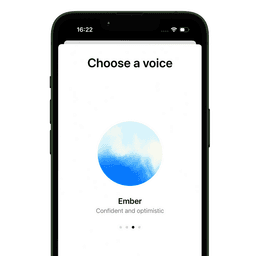
#184 - OpenAI's Voice 2.0 + execs quitting, Llama 3.2, To CoT or not to CoT?
Last Week in AI by Skynet Today · 89 min
Listen to episode →In episode #184 of Skynet Today, hosts Andrey Kurenkov and Jon Krohn delve into the recent advancements in AI technologies. They discuss OpenAI's rollout of a new voice mode feature for its assistants, enhancing the conversational AI experience, and Meta's release of Llama 3.2, which is notable for its multimodal capabilities. The episode also covers significant infrastructure developments such as Grok's data center partnership with Aramco, and Microsoft's innovative plans to power its data centers using a reopened nuclear plant. Changes in leadership at OpenAI hint at potential strategic shifts from a non-profit to a profit-driven model, raising concerns within the community. The hosts further explore the implications of AI on various sectors, from healthcare improvements noted in Canadian studies to partnerships in the entertainment industry aimed at leveraging AI in film production.
Key Takeaways
- 01
OpenAI and Meta are enhancing their AI offerings with advanced voice features, making interactions more natural.
- 02
Meta is investing in celebrity voices for its AI products, indicating a trend towards personalized AI experiences.
- 03
Significant infrastructural developments in AI, such as Grok's partnership for a data center in Saudi Arabia, are reshaping the geopolitical landscape.
- 04
The ongoing debate between closed and open-source AI models reflects differing strategies among major players like OpenAI and Meta.
- 05
Recent studies highlight the effectiveness of chain-of-thought prompting primarily in math and symbolic reasoning tasks.
- 06
AI's integration into various sectors, including healthcare and entertainment, exemplifies its expanding influence on industry practices.
- 07
Legislation is evolving to address the ethical implications of AI-generated content, especially regarding misinformation in elections.
Also in this issue
This Week in Startups
The Automation Endgame, VCs Returning Cash, and the OpenAI Wager | E2019
The Twenty Minute VC (20VC): Venture Capital | Startup Funding | The Pitch
20VC: Bret Taylor: The AI Bubble and What Happens Now | How the Cost of Chips and Models Will Change in AI | Will Companies Build Their Own Software | Why Pre-Training is for Morons | Leaderships Lessons from Mark Zuckerberg

The Automation Endgame, VCs Returning Cash, and the OpenAI Wager | E2019
This Week in Startups by Jason Calacanis · 84 min
Listen to episode →In episode E2019 of This Week in Startups, Jason Calacanis and Alex Wilhelm delve into several pertinent topics surrounding the impact of automation, particularly in port operations amid ongoing labor strikes. They explore the implications of technology in logistics, with a focus on how U.S. ports lag behind in adopting automation compared to European counterparts. The episode also addresses the recent $6.6 billion funding round for OpenAI and the skepticism surrounding its valuation growth prospects. Additionally, the duo discusses the broader trends of venture capital investing, including market conditions, investor hesitance regarding public offerings, and a significant return of funds, such as CRV's $275 million back to investors. Overall, the conversation highlights the evolving landscape of both traditional labor and venture capital in the face of rapid technological advancements.
Key Takeaways
- 01
The automation of ports could drastically reduce labor costs and improve efficiency, yet it raises concerns regarding employment and societal adjustment.
- 02
OpenAI's significant funding round reflects broader investor interest, but skepticism remains about the sustainability of its high valuation.
- 03
U.S. ports are falling behind global counterparts in automation adoption, underscoring a significant opportunity for technological advancements.
- 04
There is a noticeable trend of VC funds returning capital to investors as market conditions stagnate, reminiscent of past financial crises.
- 05
The integration of AI tools, such as those in Notion, is revolutionizing productivity and workflow management in various industries.
- 06
The ongoing labor strikes highlight the tensions between technological advancement and job security in the logistical sector.
- 07
Challenges in the venture capital landscape reflect broader economic uncertainties, impacting IPO activities and fundraising.
Also in this issue
Last Week in AI
#184 - OpenAI's Voice 2.0 + execs quitting, Llama 3.2, To CoT or not to CoT?
The Twenty Minute VC (20VC): Venture Capital | Startup Funding | The Pitch
20VC: Bret Taylor: The AI Bubble and What Happens Now | How the Cost of Chips and Models Will Change in AI | Will Companies Build Their Own Software | Why Pre-Training is for Morons | Leaderships Lessons from Mark Zuckerberg

20VC: Bret Taylor: The AI Bubble and What Happens Now | How the Cost of Chips and Models Will Change in AI | Will Companies Build Their Own Software | Why Pre-Training is for Morons | Leaderships Lessons from Mark Zuckerberg
The Twenty Minute VC (20VC): Venture Capital | Startup Funding | The Pitch by The Twenty Minute VC · 70 min
Listen to episode →In this episode, Bret Taylor discusses the current landscape of artificial intelligence (AI) and the prevalent misconceptions surrounding its use and implementation. He expresses skepticism over the sustainability of pre-training AI models, emphasizing that companies should shift towards using existing software solutions instead of developing their own. Taylor also highlights the significant changes in human-computer interaction, including the transition away from traditional websites and phones towards AI-driven applications. Overall, the episode reflects on the evolving role of AI, the importance of infrastructure, and the leadership lessons learned from industry pioneers like Mark Zuckerberg. Focus is placed on the need for companies to be strategic in their investment into effective AI solutions.
Key Takeaways
- 01
Many companies waste resources on building their own software instead of utilizing existing, effective solutions.
- 02
Taylor believes AI is in a bubble akin to the dot-com era, but recognizes the merit within the sector.
- 03
As AI technology evolves, it presents unique opportunities for business operations and customer interactions.
- 04
Ongoing care and improvement are essential in software development, contrary to misconceptions of one-time solutions.
- 05
Effective leadership in tech involves clear communication and the ability to guide teams through innovation.
- 06
Conversational AI is becoming crucial for businesses, replacing traditional software systems and possibly transforming how consumers interact with brands.
- 07
The integration of AI in workflows can enhance efficiency, posing opportunities for automation in traditional job roles.
Questions answered in this issue
What is "#184 - OpenAI's Voice 2.0 + execs quitting, Llama 3.2, To CoT or not to CoT?" about?
In episode #184 of Skynet Today, hosts Andrey Kurenkov and Jon Krohn delve into the recent advancements in AI technologies. They discuss OpenAI's rollout of a new voice mode feature for its assistants, enhancing the conversational AI experience, and Meta's release of Llama 3.2, which is notable for its multimodal capabilities. The episode also covers significant infrastructure developments such as Grok's data center partnership with Aramco, and Microsoft's innovative plans to power its data centers using a reopened nuclear plant. Changes in leadership at OpenAI hint at potential strategic shifts from a non-profit to a profit-driven model, raising concerns within the community. The hosts further explore the implications of AI on various sectors, from healthcare improvements noted in Canadian studies to partnerships in the entertainment industry aimed at leveraging AI in film production.
What are the key takeaways from "#184 - OpenAI's Voice 2.0 + execs quitting, Llama 3.2, To CoT or not to CoT?"?
OpenAI and Meta are enhancing their AI offerings with advanced voice features, making interactions more natural. Meta is investing in celebrity voices for its AI products, indicating a trend towards personalized AI experiences. Significant infrastructural developments in AI, such as Grok's partnership for a data center in Saudi Arabia, are reshaping the geopolitical landscape.
What is "The Automation Endgame, VCs Returning Cash, and the OpenAI Wager | E2019" about?
In episode E2019 of This Week in Startups, Jason Calacanis and Alex Wilhelm delve into several pertinent topics surrounding the impact of automation, particularly in port operations amid ongoing labor strikes. They explore the implications of technology in logistics, with a focus on how U.S. ports lag behind in adopting automation compared to European counterparts. The episode also addresses the recent $6.6 billion funding round for OpenAI and the skepticism surrounding its valuation growth prospects. Additionally, the duo discusses the broader trends of venture capital investing, including market conditions, investor hesitance regarding public offerings, and a significant return of funds, such as CRV's $275 million back to investors. Overall, the conversation highlights the evolving landscape of both traditional labor and venture capital in the face of rapid technological advancements.
What are the key takeaways from "The Automation Endgame, VCs Returning Cash, and the OpenAI Wager | E2019"?
The automation of ports could drastically reduce labor costs and improve efficiency, yet it raises concerns regarding employment and societal adjustment. OpenAI's significant funding round reflects broader investor interest, but skepticism remains about the sustainability of its high valuation. U.S. ports are falling behind global counterparts in automation adoption, underscoring a significant opportunity for technological advancements.
What is "20VC: Bret Taylor: The AI Bubble and What Happens Now | How the Cost of Chips and Models Will Change in AI | Will Companies Build Their Own Software | Why Pre-Training is...
In this episode, Bret Taylor discusses the current landscape of artificial intelligence (AI) and the prevalent misconceptions surrounding its use and implementation. He expresses skepticism over the sustainability of pre-training AI models, emphasizing that companies should shift towards using existing software solutions instead of developing their own. Taylor also highlights the significant changes in human-computer interaction, including the transition away from traditional websites and phones towards AI-driven applications. Overall, the episode reflects on the evolving role of AI, the importance of infrastructure, and the leadership lessons learned from industry pioneers like Mark Zuckerberg. Focus is placed on the need for companies to be strategic in their investment into effective AI solutions.
What are the key takeaways from "20VC: Bret Taylor: The AI Bubble and What Happens Now | How the Cost of Chips and Models Will Change in AI | Will Companies Build Their Own Softwa...
Many companies waste resources on building their own software instead of utilizing existing, effective solutions. Taylor believes AI is in a bubble akin to the dot-com era, but recognizes the merit within the sector. As AI technology evolves, it presents unique opportunities for business operations and customer interactions.
Explore