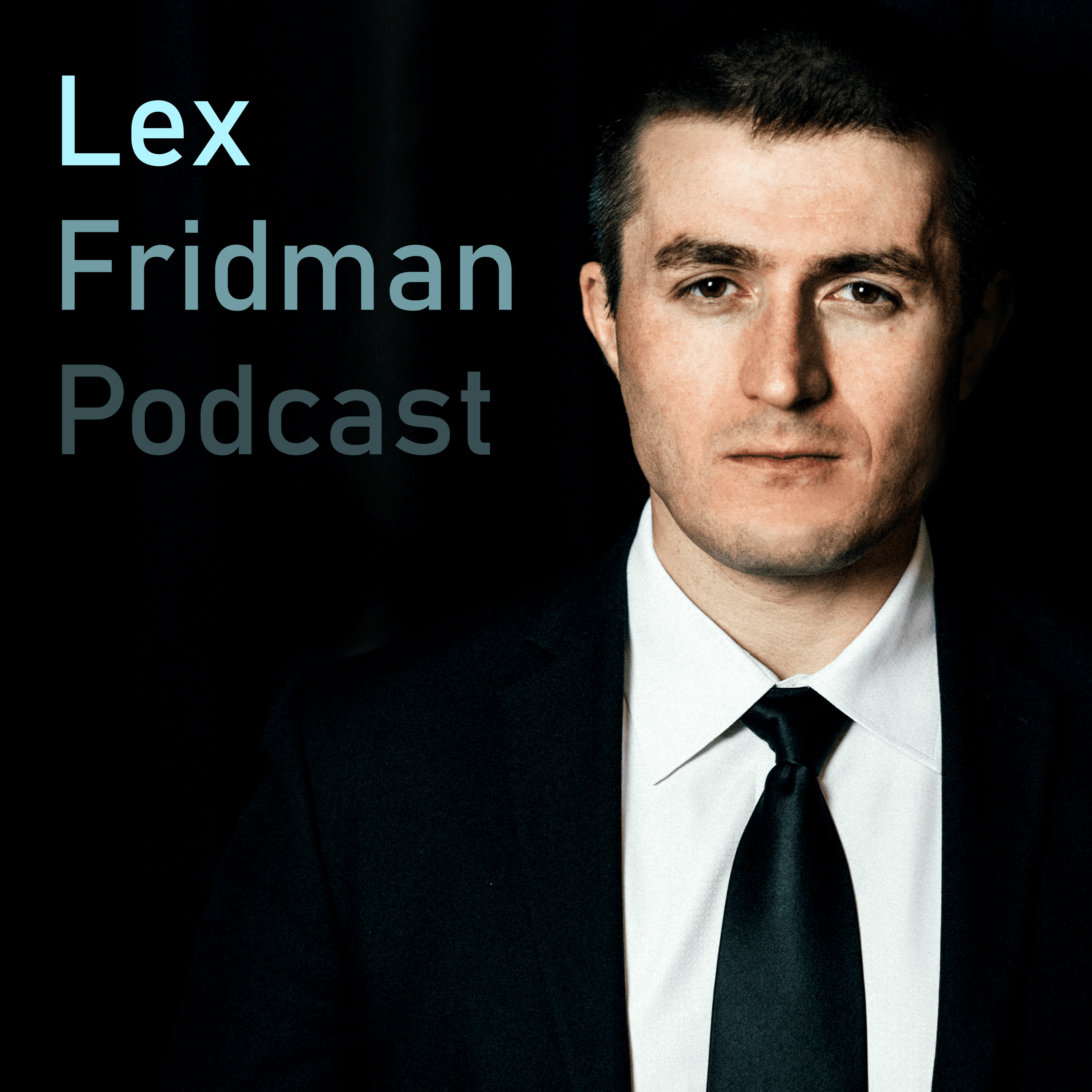
#451 – Rick Spence: CIA, KGB, Illuminati, Secret Societies, Cults & Conspiracies
Summary
In episode #451 of the Lex Fridman podcast, historian Rick Spence delves into the intricate world of intelligence agencies, secret societies, and conspiracy theories, exploring the significant impacts these elements have had on historical and contemporary political landscapes. Spence compares the operational methods and ideological differences of the CIA and KGB, revealing how these agencies' actions have shaped revolutions, such as the Russian Revolution of 1917. He discusses the fascinating intersections between espionage and the occult, highlighting how ritualistic practices within secret societies have influenced high-level decision-making and public perception. The episode also critiques the romanticization of historical narratives, particularly regarding politically charged events influenced by intelligence agencies. Spence's examination extends to modern conspiracy theories, exploring their roots in historical distrust towards institutions, and how they can skew perceptions of events and societal realities. Additionally, the exploration of notorious figures like Charles Manson and the socio-political ramifications of cults illuminates the threats posed by radical beliefs in contemporary society. Together, these discussions weave a rich tapestry reflecting on the nature of power, secrecy, and their implications for governance and public trust.
Key Takeaways
- 1The historical impact of intelligence agencies on political revolutions.
- 2The intersection of occult practices with intelligence work.
- 3The role of secret societies in shaping political landscapes.
- 4Conspiracy theories often stem from legitimate societal distrust.
- 5The cultural implications of cult dynamics.
- 6Rituals serve as mechanisms for identity and societal dynamics.
- 7The shifting narratives of historical events.
- 8Historical narratives shape contemporary understanding of power dynamics.
- 9Public perceptions of power dynamics and elite influence.
Notable Quotes
"You have written and lectured about serial killers, secret societies, cults, and intelligence agencies. So we can basically begin at any of these fascinating topics."
"The most powerful intelligence agency in history lies hidden amidst a web of conspiracies and historical narratives."
"Russian intelligence services have a long history of effectiveness and adaptability compared to their Western counterparts."
"They were very good at that. So good that by the early 20th century and the years preceding the Russian Revolution in 1917, they had effectively infiltrated every radical party, Bolsheviks, Mensheviks, SRs, great and small, and placed people in positions of influence and leadership."
"Nothing was discussed at any central committee meeting of any revolutionary group that the Akrona wasn't immediately aware of, and they often had people in positions to influence what those decisions were."
"Sometimes, to control society, you have to control how people remember history."
"When you put on the robe, it's like putting on a uniform. You are, in some way a different or more important person."
"There are probably people standing around the owl who think this is ridiculous and can't wait for it to get over with."
"The Cremation of Care is a ritual that creates a sense of belonging among the wealthy elite."
"Rituals are a series of actions carried out in a precise sequence to produce an effect."
"When you look at what’s behind the curtain of these secret societies, you often find a network of powerful people who influence societal structures and political policies, often without public accountability."
"People just believe everything these people say."
"So see, I've just managed to insult every single religion."
"The idea of excessive reverence for the leader is a dead giveaway for what we would call a cult."
"All roads lead to Aleister Crowley."
Episode questions
What historical events have been significantly influenced by intelligence agency actions, according to Rick Spence?
Rick discusses several instances where the CIA and KGB influenced international conflicts, such as their roles during the Cold War in political meddling, coups, and misinformation campaigns. He emphasizes that many historical narratives we accept today are shaped by the covert operations of these agencies, which often remained undisclosed for years, altering the course of events based on intelligence-driven strategies.
What ethical concerns does Rick Spence raise regarding mind control and surveillance?
Spence articulates that the exploration of mind control raises substantial ethical questions about consent and autonomy. He cites historical cases where individuals were subjected to psychological manipulation without their knowledge or agreement, which poses significant moral dilemmas. Furthermore, he connects these historical practices to modern forms of surveillance and data collection, indicating a persistent concern over privacy rights and the potential for misuse by governments.
How does Rick Spence interpret conspiracy theories in relation to current societal distrust?
Spence suggests that conspiracy theories thrive on a pervasive sense of distrust towards institutions and governments. He posits that in a world filled with misinformation, people are naturally inclined to seek 'hidden truths' as a means to make sense of complex events. The narrative of conspiracies allows them to navigate their disenchantment with traditional sources of authority, reflecting a deeper psychological and social need for clarity in chaotic times.
How do intelligence agencies manipulate public perception?
Intelligence agencies manipulate public perception by crafting narratives that justify their actions, using media and psychological strategies to shape the public discourse. This involves controlling information flow and redefining social fears and expectations.