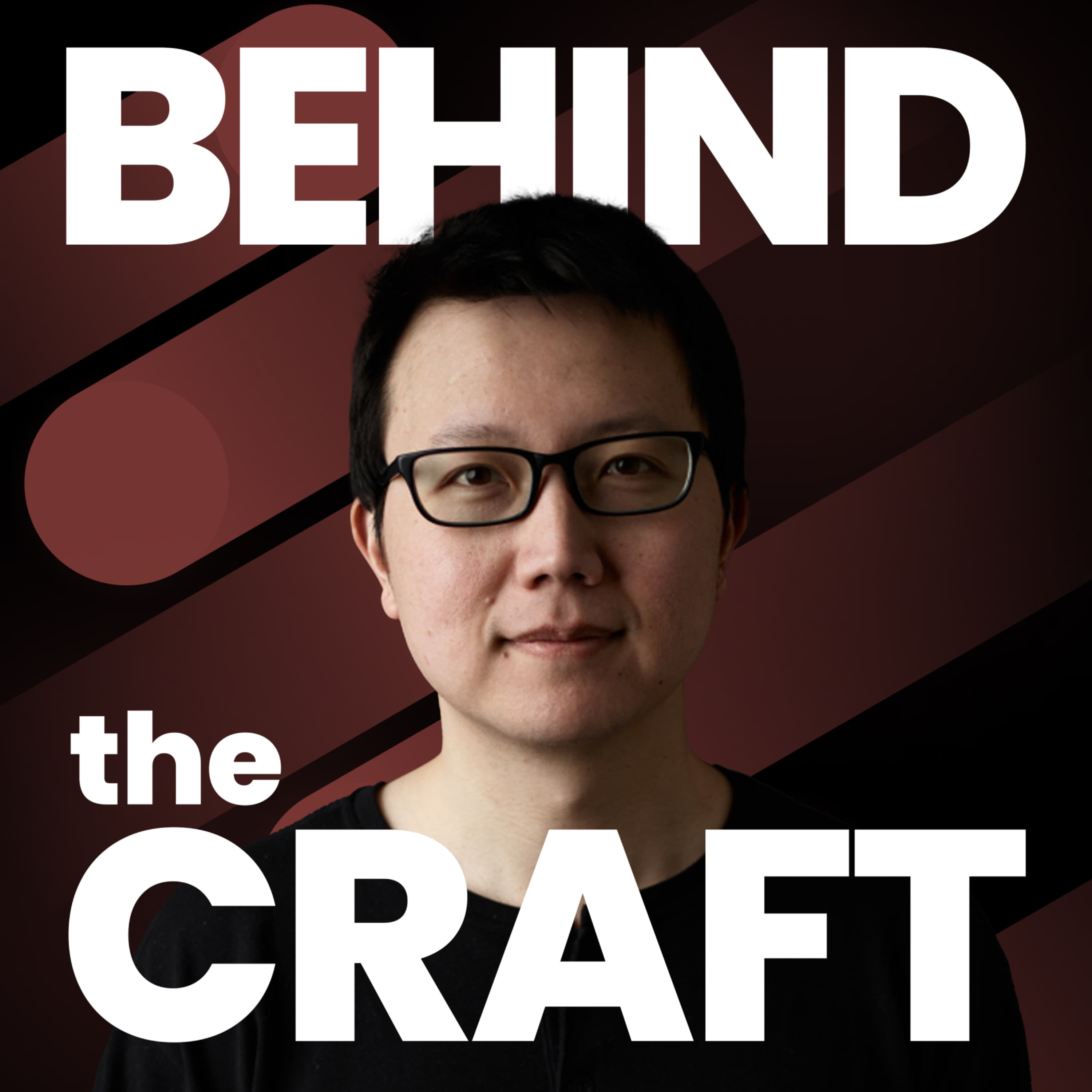
How to Crack the PM Interview in 2024 | Satish Mummareddy (Meta)
Read the main ideas in a few minutes and use the original episode link when you want the complete context.
Summary
In this episode, Satish Mummareddy shares his extensive experience as an IC7 product leader at Meta regarding the intricacies of succeeding in product management (PM) interviews. The discussion touches on the emotional rollercoaster that job seekers experience, especially the universality of rejection in their application journeys. Mummareddy highlights that often, new college graduates can outperform seasoned PMs in interviews due to their adaptability and familiarity with current practices. He introduces a significant paradigm shift from retrospective to prospective interviewing, emphasizing real-time problem-solving skills over past achievements. The importance of preparation is further underscored by the necessity of mock interviews and developing speed thinking to navigate interviews successfully. Mummareddy also emphasizes the value of mental clarity during interviews, guiding candidates to take thoughtful pauses before responding. Building relationships with mentors and understanding the industry's top priorities are integral for a PM's career progression. Lastly, he discusses the assessment of career opportunities based on risk and reward, encouraging listeners to align their job choices with their personal life stages and growth aspirations.
Key Takeaways
- 1Job search experiences are akin to a rollercoaster.
- 2New graduates may outperform seasoned PMs in interviews.
- 3Adaptability is increasingly vital in PM interviews.
- 4Mock interviews enhance product thinking and analytical skills.
- 5Clarity of thought is crucial during interviews.
- 6Understanding company priorities is key to mentorship.
- 7Feedback is instrumental in career development.
- 8Assess career moves through risk-reward analysis.
- 9Rejection is part of the job search process.
Notable Quotes
"Job search is actually like a rollercoaster ride. There are going to be lots of ups and downs. We have all been rejected by companies in the past. I've been rejected by Google, by YouTube, by LinkedIn, like you name it, I've been rejected."
"One of the things that really shocked me about PM interviewing is that new college grads who were interviewing for RPM positions would crush the PM interview while experienced PMs who had 10 plus years of experience would actually come and then do extremely poorly in the interviews."
"You need to spend time doing mental exercises that mirror interview conditions, where you can develop this speed thinking and decision-making capacity."
"Career decisions should be treated like a portfolio of bets."
"Interviews are an exercise in context – do you know enough about the company to simulate being its product manager effectively?"
"Everybody knows that if you lift weights, and there's good form, you actually like will gain muscle. That information by itself does not give you muscle, but actually going to the gym for 30 days in a row, and doing that thing is what gives you the muscle."
"You want to be seen as someone who solves problems that matter."
"Your past role does play a significant part in how companies will assess your potential level, and understanding this can frame your expectations."
"The importance of mentorship can’t be overstated, as it allows you to align with people who actually care about your development."
"You got to get a sign on the stuff that I should care about. Right?"
"So when people get these like small projects, they look down upon those projects. Instead, show that you have to earn the right on that particular team."
Episode questions
What are the key skills necessary for succeeding in PM interviews today?
Candidates need to hone their product thinking, analytical skills, and leadership communication. They should prepare to address issues using current products as references and demonstrate their ability to adapt their experiences to new challenges. Practicing mock interviews and engaging in simulated product scenarios allows candidates to refine these skills.
What strategies does Mummareddy suggest for candidates to distinguish themselves during interviews?
Candidates should focus on extensive context research about the company where they're interviewing, practicing short execution exercises to refine speed thinking and create tailored narratives. This allows them to demonstrate a better understanding of industry-related challenges rather than solely product-specific issues. It's all about showcasing capabilities at a strategic level.
Why does Mummareddy emphasize understanding higher-level problems in product management?
Understanding broader, industry-level problems helps candidates appear more strategic in their thinking. Mummareddy encourages candidates to articulate insights around the overall user experience, not just particular app features. This reflects their ability to navigate and solve complex challenges within the industry, illustrating a critical managerial skill.
What strategies does Satish recommend for aspiring product managers looking for mentorship?
Satish emphasizes the importance of finding mentors who genuinely care about your development. This involves not just seeking out any mentor, but aligning your work with the mentor's priorities to ensure mutual investment in growth. Building relationships where there is a direct correlation between the mentor's projects and your contributions can yield valuable insights and foster a supportive environment.